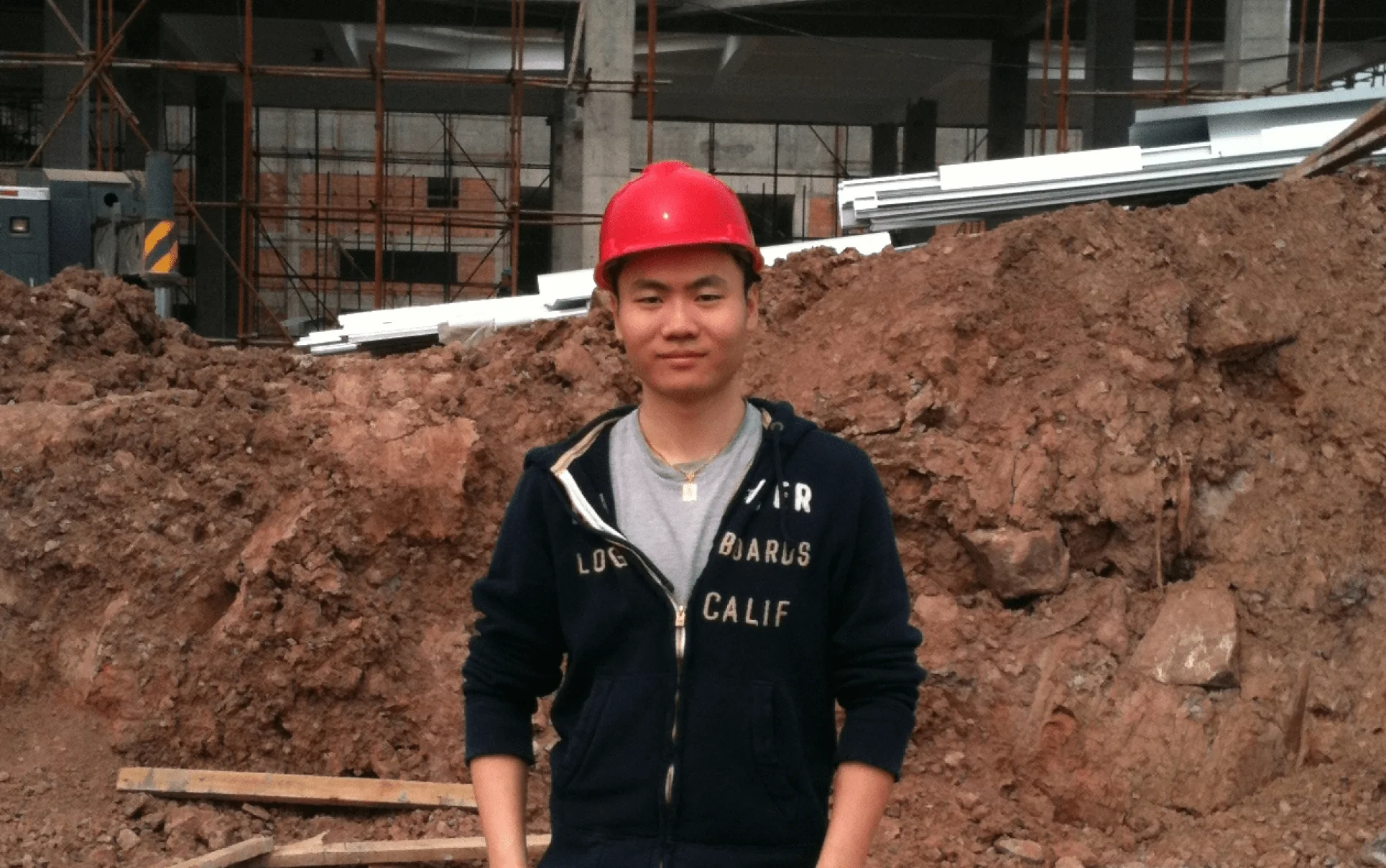
I spent years inside industrial operations before starting Ranger. I watched engineers open the same PDF four times because it lived in four different places. I watched procurement teams lose contracts because their proposals took three months to produce. I watched compliance sign-offs delay projects by weeks, not because the work was wrong, but because the paperwork wasn't connected.
The problem wasn't the people. The people were exceptional. The problem was the infrastructure underneath them.
What's Actually Broken in Industrial Workflows
Most industrial enterprises are running on a patchwork of tools that were never designed to talk to each other. There's an ERP for financials, a document management system for specs, email threads for approvals, and Excel spreadsheets for everything in between.
When a high-stakes RFP arrives, the team has to manually hunt across all of these systems to assemble a response. That process takes months. And if they get even one technical detail wrong, one spec mismatch or one compliance requirement missed, the bid fails.
The average industrial enterprise loses weeks to months of productivity a year to manual document workflows. For large EPC firms, that translates directly to lost contracts.
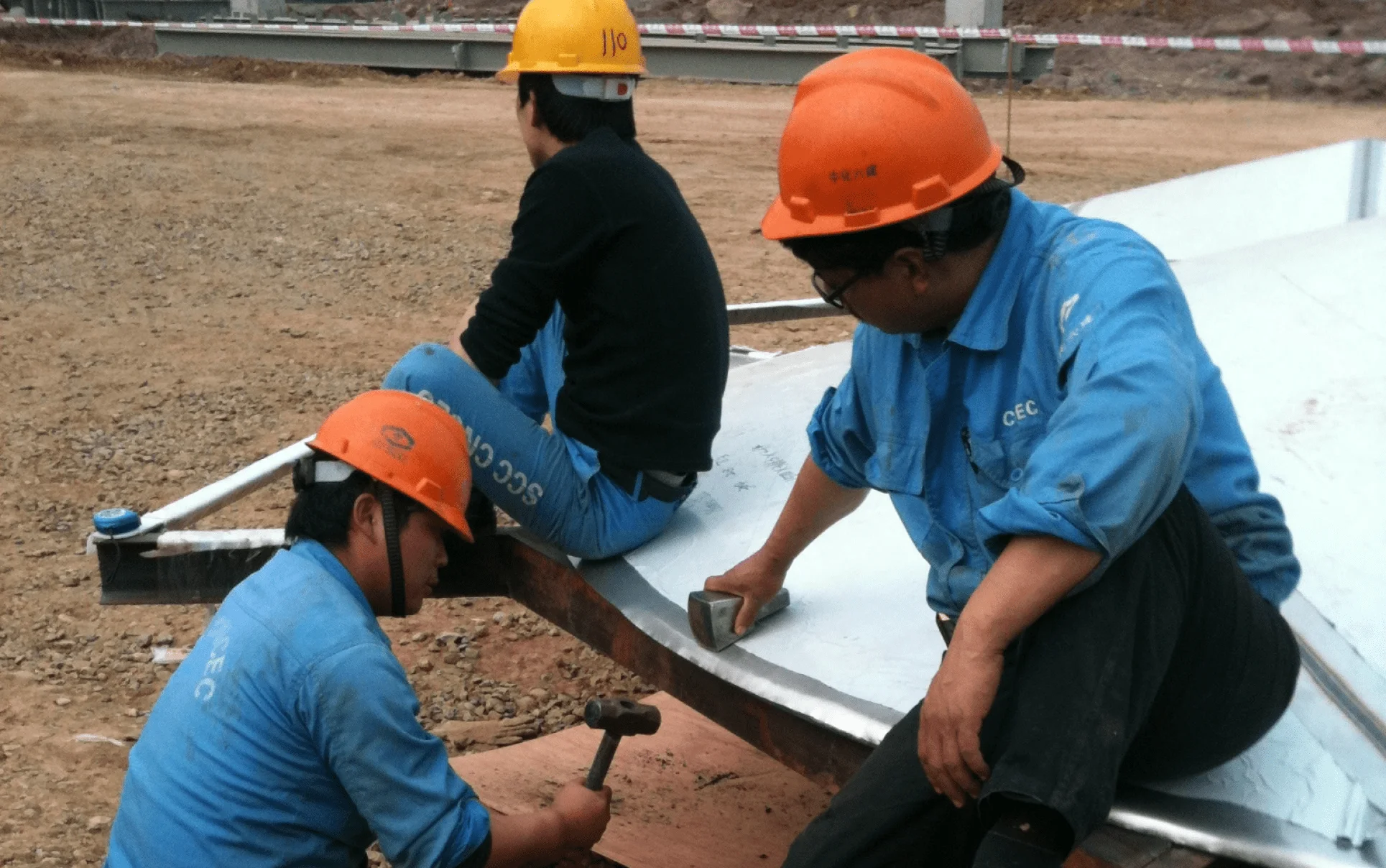
The deeper issue is that no one has ever built software that actually understands what's in these documents. General-purpose tools can store PDFs. They can't read a piping isometric and tell you whether it meets the spec in clause 4.3.2 of the client's technical requirements.
Why Existing Tools Don't Solve This
We looked at every tool on the market before building Ranger. The enterprise content management platforms are powerful for storing documents but have no intelligence layer. The general-purpose AI tools are impressive but have no domain knowledge. They hallucinate specifications and miss regulatory requirements.
The fundamental gap: no one was building AI for the physical world.
Software for financial workflows has been mature for decades. Software for industrial engineering workflows (the ones that build pipelines, refineries, turbines, and pharmaceutical plants) is still essentially manual.
What Ranger Actually Does
Ranger is an intelligence layer that sits on top of your existing documents, standards, and team knowledge. It doesn't replace your systems. It connects them and makes them queryable.
The core capabilities that matter most to our customers:
1. Document Intelligence Ranger ingests your technical documents, RFPs, standards, and historical proposals and makes them instantly searchable, not just by keyword but by meaning. Ask "What are our compliance requirements for offshore equipment in this client's spec?" and get a precise answer, with the source cited.
2. Automated Proposal Assembly Given an incoming RFP, Ranger can identify which sections apply, pull relevant content from past wins, flag gaps, and draft a structured response, in hours rather than months.
3. Compliance Verification Ranger cross-references your technical submissions against client requirements and industry standards automatically. Issues surface before submission, not after.
4. Agentic Workflows For repeatable processes (supplier qualification, document review, bid/no-bid analysis) Ranger deploys agents that complete the work autonomously, escalating only when human judgment is needed.
What We've Learned From Deployment
We've now deployed Ranger across energy, precision manufacturing, infrastructure, and pharmaceutical operations. A few things have surprised us.
First, speed of impact. We expected onboarding to take the better part of a year. Instead, customers are winning projects within 30 days. The data is already there. Ranger just makes it usable.
Second, the trust problem is real but solvable. Industrial teams are rightly skeptical of AI that makes things up. Every answer Ranger produces is cited. If it can't find the answer in your documents, it says so. That transparency has been the single biggest driver of adoption.
Third, the biggest ROI isn't in the obvious places. Everyone expects Ranger to speed up proposal writing. What they don't expect is how much it changes strategy: when your team can analyze in a day what used to take a week, you make better bid/no-bid decisions, and that compounds.
Where We're Going
The industrial world is in the middle of a re-industrialization wave. Governments and private capital are pouring trillions into infrastructure, energy, and manufacturing. The companies that win the most contracts will be the ones that can move fastest without sacrificing precision.
That's what we're building toward: an AI platform that makes industrial enterprises dramatically more competitive, without asking them to change how they work.
Key Takeaways
- Industrial RFP and procurement workflows are fundamentally broken due to siloed, disconnected systems
- General-purpose AI tools fail in this context because they lack domain knowledge and hallucinate specifications
- Ranger connects your existing documents and deploys intelligent agents to complete the work
- Customers are seeing measurable impact (contract wins, capacity increases) within 30 days of deployment
- The biggest ROI comes from better strategic decisions, not just faster execution
Ranger is the intelligence layer for industrial enterprises. If you're working in energy, EPC, precision manufacturing, infrastructure, or pharma, see what it looks like for your team.